

logo
Mengirim pesan
Rumah

Blog Tentang Guide to Waterproofing Smart Garden Humidity Sensors

Sertifikasi
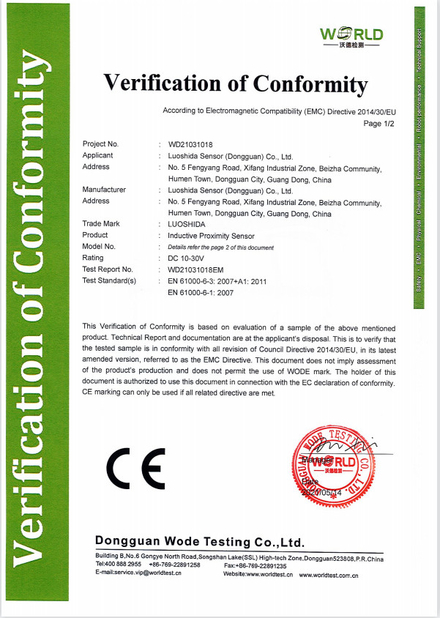
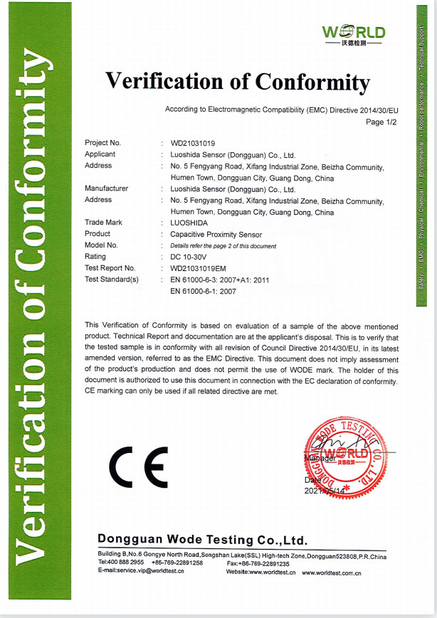
Cina Luo Shida Sensor (Dongguan) Co., Ltd. Sertifikasi
I 'm Online Chat Now
perusahaan Blog
Guide to Waterproofing Smart Garden Humidity Sensors
berita perusahaan terbaru tentang Guide to Waterproofing Smart Garden Humidity Sensors

Capacitive soil moisture sensors are the delicate backbone of modern smart gardening systems. These sensitive components, crucial for monitoring plant hydration, often fall victim to environmental moisture - whether from watering, rain, or accidental splashes. This vulnerability can compromise data accuracy and lead to system failures in automated garden setups.

The Heart of Smart Gardening Systems

Modern smart garden solutions, like those utilizing Raspberry Pi platforms, rely on capacitive moisture sensors as their primary hydration detectors. These systems function as digital horticultural assistants, continuously tracking soil conditions, sunlight exposure, and environmental factors to optimize plant care.

While the lower portion of these sensors typically features some water resistance, their electronic components remain exposed to potential damage from overhead moisture. When compromised, these sensors can provide inaccurate readings that disrupt automated watering schedules, potentially harming plant health.

Limitations of Conventional Protection Methods

Traditional solutions like heat-shrink tubing offer temporary protection but present several drawbacks:

  • Potential for material degradation over time
  • Possible interference with sensor heat dissipation
  • Incomplete sealing against moisture penetration
Silicone Caulk: An Effective Waterproofing Solution

Field testing demonstrates that silicone caulk provides superior protection for moisture-sensitive components. This readily available building material offers:

  • Excellent flexibility and weather resistance
  • Long-lasting waterproof qualities
  • Proper thermal regulation for sensitive electronics
  • Cost-effective implementation
Step-by-Step Waterproofing Guide

Follow this comprehensive process to safeguard your soil sensors:

  1. Sensor Inspection: Examine all electronic components and through-holes for existing damage or contamination.
  2. Grove Connection Protection: Apply silicone caulk to completely encapsulate the connector base, top, and cable interface.
  3. Component Sealing: Cover all exposed circuitry on the sensor face with a uniform silicone layer.
  4. Through-Hole Sealing: Seal all rear access points with silicone to prevent moisture ingress.
  5. Curing Process: Allow 24-48 hours for complete curing in a dry, ventilated space.
Alternative Protection Methods

While silicone caulk provides optimal results, other options include:

  • Clear Nail Polish: Suitable for component coating but requires supplemental sealing
  • Specialized PCB Coatings: Professional-grade solutions with higher implementation costs
Understanding Capacitive Measurement Technology

Unlike resistive sensors, capacitive variants measure dielectric changes in soil composition rather than direct water content. This approach offers significant advantages:

  • Eliminates electrode corrosion issues
  • Provides more accurate hydration readings
  • Utilizes 555 timer circuits to generate proportional voltage outputs
System Expansion Considerations

For extended sensor placement, Grove connection extension systems allow flexible positioning while maintaining signal integrity. This enables comprehensive garden coverage without compromising measurement accuracy.

Pub waktu : 2026-04-05 00:00:00 >> blog list
Rincian kontak
Luo Shida Sensor (Dongguan) Co., Ltd.

Kontak Person: Mrs. Anna

Tel: 18925543310

Mengirimkan permintaan Anda secara langsung kepada kami (0 / 3000)