

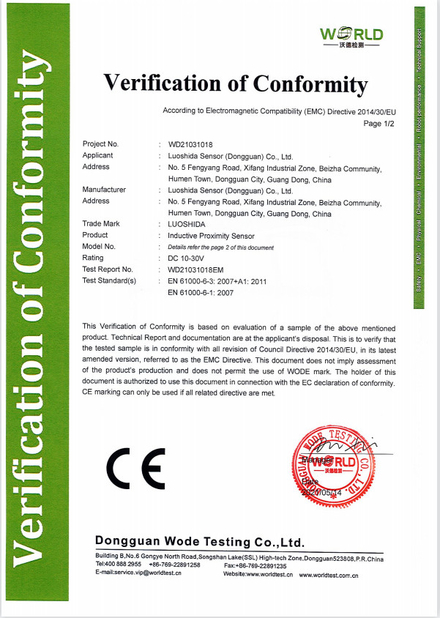
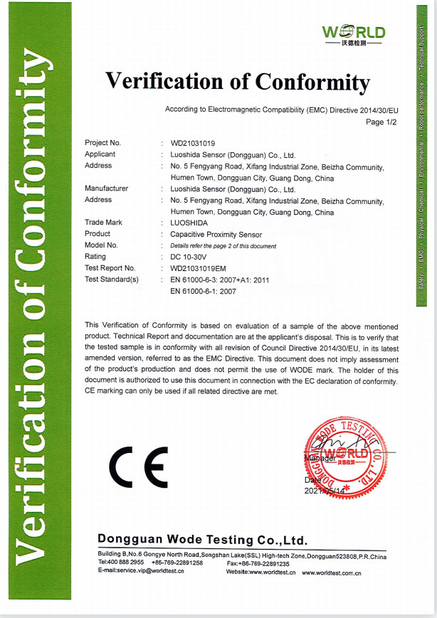

Bayangkan sebuah pabrik yang sibuk di mana lengan robot dengan tepat memegang dan menempatkan komponen sementara sabuk pengangkut berbunyi dengan gerakan yang tidak terganggu.Operasi yang mulus ini bergantung pada "mata" yang tak terlihat yang bekerja tanpa lelah di belakang layarKetika menemukan daftar produk yang sulit dipahami seperti "Luoshida Flush M5 Inductive Proximity Sensor I1s050.8no", seseorang mungkin bertanya-tanya tentang peran komponen misterius ini dalam otomatisasi industri.
Sementara diskusi sering berfokus pada robot industri dan sistem kontrol yang kompleks, elemen dasar sensor kecil tetapi penting sering tidak diperhatikan.Model Luoshida yang terdengar teknis mewakili kategori penting dalam otomatisasiIni berfungsi sebagai antena mekanis, mendeteksi benda logam tanpa kontak fisik untuk memungkinkan posisi, penghitungan, dan fungsi keamanan.
Switch proximity induktif beroperasi pada prinsip elektromagnetik. Sensor menghasilkan medan magnet bergantian, dan ketika logam memasuki medan ini, arus pusaran terbentuk di dalam objek.Arus ini kemudian mengubah sirkuit osilasi sensorMetode deteksi tanpa kontak ini menghilangkan keausan mekanik, memperpanjang umur operasi, dan mencegah kerusakan pada benda yang terdeteksi.
Penunjukan "M5" menunjukkan rumah silinder berdiameter 5 mm, yang memungkinkan pemasangan di lingkungan terbatas ruang seperti mesin presisi atau jalur produksi kompak.Spesifikasi "Flush" menunjukkan metode instalasi di mana permukaan sensing sejajar dengan atau sedikit mundur dari bidang pemasanganDesain ini menawarkan dua keuntungan: perlindungan fisik terhadap dampak dan pelindung elektromagnetik yang ditingkatkan untuk meminimalkan gangguan dari komponen logam yang berdekatan,Dengan demikian meningkatkan keandalan deteksi.
Urutan alfanumerik mengungkapkan parameter operasional: "I1s" mungkin singkatan dari "Induktive Sensor", sementara "050" menentukan rentang deteksi 0,50cm (5mm)."8" dapat merujuk pada karakteristik listrik, dan "NO" menandakan "Biasanya Terbuka" sirkuit, saklar tetap terbuka sampai deteksi logam menyelesaikan sirkuit.
Meskipun ukurannya sederhana, sensor ini melakukan fungsi otomatisasi misi-kritis:
Dari manufaktur mobil hingga perakitan elektronik dan kemasan makanan, hampir setiap jalur produksi otomatis bergantung pada komponen miniatur yang kuat ini.Mereka membentuk dasar teknologi yang memungkinkan, operasi industri yang tepat dan aman.
Pesan "showroom tidak ditemukan" sesekali menggarisbawahi sifat khusus komponen industri yang jarang terlihat oleh konsumen namun sangat diperlukan untuk manufaktur modern.Lain kali Anda mengamati otomatisasi pabrik yang mulus, ingat sentinel tersembunyi ini: sensor kedekatan induktif, kuda kerja sejati dari otomatisasi industri.
Kontak Person: Mrs. Anna
Tel: 18925543310


 Indonesian


