

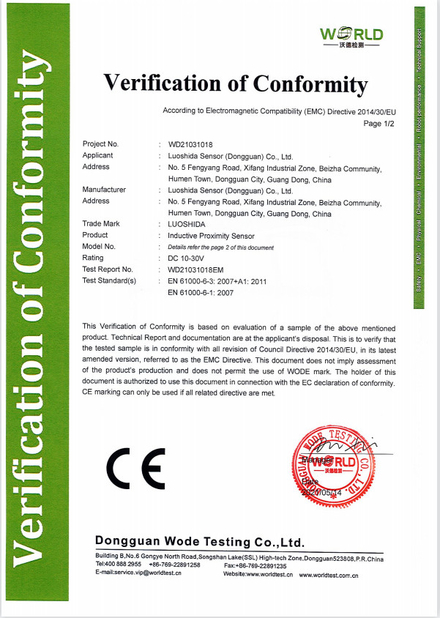
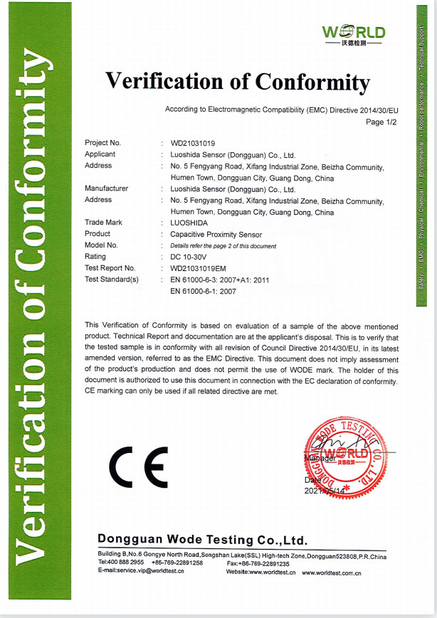

Na czele innowacji przemysłowych czujniki o wysokiej precyzji umożliwiają przełomowe osiągnięcia w produkcji, niewyobrażalne dotąd.Te zaawansowane systemy pomiarowe działają teraz z dokładnością na poziomie mikrometrów, rewolucjonizując linie produkcyjne w całym świecie.
Współczesna produkcja wymaga coraz bardziej zaawansowanych rozwiązań w zakresie odległości, grubości, koloru, geometrii 3D i pomiaru powierzchni.Najnowocześniejsza technologia czujników zapewnia wyjątkową powtarzalność, szybkie czasy reakcji i głównie bezkontaktowa obsługa, doskonała w wykrywaniu obiektów, liczeniu, pozycjonowaniu i kontroli jakości.
Główne zalety współczesnych czujników o wysokiej precyzji obejmują:
Czujniki te mierzą z niezwykłą precyzją przemieszczenie, odległość, położenie, drgania i wibracje..4×80 mm o rozdzielczości ≥ 0,02 μm. Ich odporność na zakłócenia czyni je niezbędnymi w produkcji półprzewodników i zastosowaniach lotniczych.
Czujniki te, zaprojektowane do pomiarów geometrycznych i monitorowania ruchu, doskonale sprawdzają się w automatyzacji, zapewnianiu jakości i monitorowaniu stanu konstrukcji.Ich prosty projekt i niezawodność sprawiają, że są idealne do zastosowań w systemach hydraulicznych i liniach produkcyjnych.
Czujniki te, oferujące rozdzielczość w skali nanometrowej (≥ 0,0375 nm), wykonują pomiary materiałów przewodzących bez kontaktu.Ich wyjątkowa wrażliwość przynosi korzyści w produkcji półprzewodników i zastosowaniach w inżynierii biomedycznej.
Systemy te umożliwiają szybkie pomiary odległości i grubości o rozdzielczości ≥ 3 nm.Ich wszechstronność w obsłudze przezroczystych materiałów czyni je cennymi w produkcji szkła i wyrobów medycznych.
W celu ustalenia punktów odniesienia w zakresie pomiarów precyzyjnych, instrumenty te osiągają rozdzielczość ≥30 pm.Ich konstrukcja klasy przemysłowej ułatwia integrację w środowiskach kontroli płyt półprzewodnikowych i testowania urządzeń MEMS.
Połącząc kompaktowy rozmiar z wysoką szybkością pomiaru, czujniki te doskonale sprawdzają się w zastosowaniach automatyki fabrycznej.Ich zdolność do pracy na powierzchniach odblaskowych sprawia, że są idealne do pozycjonowania przez roboty i kontroli jakości online.
Dzięki szczegółowemu przechwytywaniu chmur punktów w milisekundach systemy te umożliwiają precyzyjne testowanie komponentów i kierowanie robotami.Ich zdolność do obsługi zarówno matowych, jak i błyszczących powierzchni sprawia, że są wszechstronne do zadań inspekcyjnych w przemyśle.
Czujniki te, kluczowe dla zapewnienia jakości w produkcji, precyzyjnie oceniają wartości kolorów i intensywność na różnych powierzchniach.zapewnienie spójności produktów w przemyśle od wyrobów włókienniczych po drukarnię.
Kompletne rozwiązania łączą wiele technologii czujników do kompleksowego pomiaru online, zapewniając kompleksową kontrolę jakości w zautomatyzowanych środowiskach produkcyjnych.
Produkcja baterii:Wysokiej dokładności systemy monitorowania optymalizują linie produkcyjne poprzez dynamiczne pomiary krytycznych parametrów.
Produkcja elektroniki:Od wytwarzania chipów po montaż urządzeń czujniki utrzymują rygorystyczne standardy wymagane w produkcji mikroelektroniki.
Przetwarzanie metalu:Sieci czujników umożliwiają skuteczne obróbkę i obsługę materiałów, zapewniając jednocześnie bezpieczeństwo eksploatacji w wymagających środowiskach.
Przemysł tworzyw sztucznychCiągłe monitorowanie materiałów wytłaczanych zapewnia stałą grubość, temperaturę i właściwości powierzchni w całej produkcji.
Te postępy technologiczne stanowią więcej niż stopniowe ulepszenia, stanowią one fundamentalną zmianę w możliwościach produkcyjnych.obiecują otworzyć nowe możliwości w zakresie kontroli jakości, optymalizacja procesów i zautomatyzowana produkcja.
Osoba kontaktowa: Mrs. Anna
Tel: 18925543310


 Polish


