

Imagine um chão de fábrica altamente automatizado onde cada componente se move com a precisão de um relógio suíço, cada movimento meticulosamente coreografado e cada peça colocada exatamente onde pertence. No entanto, até o menor desvio — meros micrômetros — pode desencadear um efeito dominó, paralisando linhas de produção inteiras e gerando perdas financeiras massivas. A solução para esse delicado ato de equilíbrio reside em um herói frequentemente negligenciado: o sensor de distância.
Funcionando como os "olhos" da automação industrial moderna, os sensores de distância fornecem capacidades críticas de medição sem contato para posicionamento, controle de movimento e garantia de qualidade. Esses dispositivos empregam luz, ondas sonoras ou sinais eletromagnéticos para monitorar relações espaciais com notável precisão, garantindo que os processos de fabricação funcionem com precisão impecável.
Na montagem automotiva, braços robóticos equipados com sensores de distância a laser instalam para-brisas com precisão de nível micrométrico. Sem essa tecnologia, desalinhamentos de até um milímetro poderiam comprometer a integridade estrutural ou danificar a carroceria do veículo. Da mesma forma, linhas de embalagem de alimentos utilizam sensores fotoelétricos para garantir que os biscoitos caiam perfeitamente em seus recipientes — evitando fechamentos desalinhados ou danos ao produto.
Esses exemplos são apenas a ponta do iceberg. Da fabricação de semicondutores à montagem de componentes eletrônicos, da navegação robótica à gestão logística, os sensores de distância operam como sentinelas silenciosas em diversas indústrias — aumentando a eficiência, reduzindo custos e elevando os padrões de qualidade.
O mercado de sensores oferece quatro tecnologias principais, cada uma se destacando em aplicações específicas:
Reconhecidos pela precisão de medição, os sensores a laser utilizam princípios de tempo de voo ou triangulação para detectar variações microscópicas. Na fabricação de semicondutores — onde as dimensões dos transistores medem apenas nanômetros — esses dispositivos garantem um alinhamento perfeito. Suas capacidades de longo alcance também beneficiam aplicações aeroespaciais, verificando o posicionamento das asas para a segurança de voo.
Fatores ambientais representam a principal limitação da tecnologia — poeira, detritos ou luz ambiente intensa podem prejudicar o desempenho, exigindo condições de operação controladas.
Quando sistemas ópticos falham em ambientes desafiadores — seja na detecção de materiais transparentes, líquidos ou superfícies irregulares — os sensores ultrassônicos oferecem alternativas confiáveis. Esses dispositivos funcionam como morcegos tecnológicos, emitindo ondas sonoras de alta frequência e calculando distâncias a partir dos tempos de retorno do eco.
Embora ofereçam excelente tolerância ambiental, os sistemas ultrassônicos apresentam menor precisão do que alternativas a laser e permanecem suscetíveis a variações de temperatura/umidade. Materiais macios ou absorventes de som também podem reduzir a confiabilidade da medição.
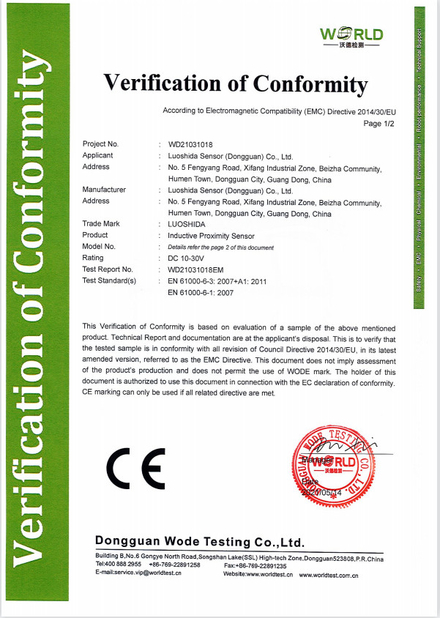
Projetados exclusivamente para alvos metálicos, os sensores indutivos detectam perturbações no campo eletromagnético causadas por materiais condutores. Sua operação sem contato é inestimável em aplicações de metalurgia e montagem automatizada.
O foco exclusivo da tecnologia em materiais condutores limita inerentemente seu escopo de aplicação. Diferentes metais também exigem protocolos de calibração específicos devido a respostas eletromagnéticas variáveis.
Combinando precisão com adaptabilidade, os sensores fotoelétricos empregam luz infravermelha ou visível para detectar objetos e medir distâncias. Sua flexibilidade operacional — disponível em configurações reflexivas, de feixe passante e difusas — os torna pilares da automação.
Embora excepcionalmente versáteis, os sensores fotoelétricos requerem proteção contra interferência de luz ambiente. O desempenho também pode degradar com alvos reflexivos ou transparentes.
A escolha da tecnologia de medição de distância apropriada requer uma avaliação cuidadosa de múltiplos fatores:
Ao analisar sistematicamente esses parâmetros em relação aos requisitos da aplicação, os fabricantes podem implementar soluções de medição que ofereçam desempenho e confiabilidade ideais.
Pessoa de Contato: Mrs. Anna
Telefone: 18925543310


 Portuguese


