

ในโลกปัจจุบันที่ขับเคลื่อนโดยอัตโนมัติ ความสามารถของเครื่องจักรในการ "รับรู้" สิ่งรอบตัวได้กลายเป็นสิ่งสําคัญลองจินตนาการว่าหุ่นยนต์ที่ไม่สามารถตรวจจับอุปสรรคหรือแขนสายประกอบที่ไม่สามารถหาส่วนประกอบได้อย่างแม่นยําเซ็นเซอร์ความใกล้ชิดเป็นส่วนประกอบที่สําคัญ ที่ให้เครื่องจักรความสามารถในการรับรู้นี้ทําหน้าที่เป็น "ดวงตา" และ "หู" ของพวกเขาในอุตสาหกรรมต่างๆ ตั้งแต่อุตสาหกรรมผลิตถึงอุปกรณ์อิเล็กทรอนิกส์ผู้บริโภค.
เครื่องตรวจจับความใกล้ชิดตรวจจับสิ่งของใกล้เคียงโดยไม่ต้องสัมผัสด้วยร่างกาย โดยการปล่อยสนามไฟฟ้าแม่เหล็ก แสงหรือสัญญาณฉายแสง และวิเคราะห์การสะท้อนของสิ่งเหล่านั้นอุปกรณ์ที่ไม่สัมผัสเหล่านี้มีข้อดีที่สําคัญเหนือจากเซ็นเซอร์ที่ใช้สัมผัสแบบดั้งเดิมรวมถึงเวลาตอบสนองที่เร็วขึ้น ความน่าเชื่อถือมากขึ้น และอายุการใช้งานที่ยาวนานขึ้น
เซ็นเซอร์เหล่านี้แปลงความใกล้ชิดของวัตถุเป็นสัญญาณไฟฟ้าที่วัดได้ โดยใช้ผลงานทางกายภาพต่างๆและแม่เหล็ก แต่ละตัวใช้วิธีการตรวจจับที่แตกต่างกัน เหมาะกับการใช้งานเฉพาะเจาะจง.
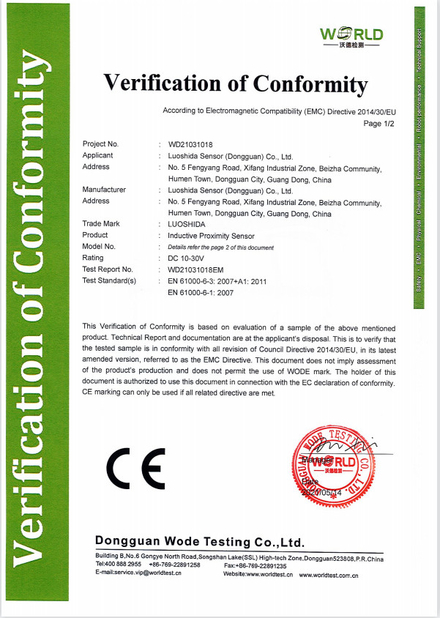
เซ็นเซอร์ตรวจจับโลหะเหล่านี้ ใช้แรงผลักดันไฟฟ้าแม่เหล็ก ผ่านวงจรออสไซเลเตอร์ความถี่สูง เมื่อวัตถุโลหะเข้าใกล้การเปลี่ยนแปลงลักษณะการสั่นที่กระตุ้นสัญญาณการตรวจจับ.
คุณสมบัติหลัก:
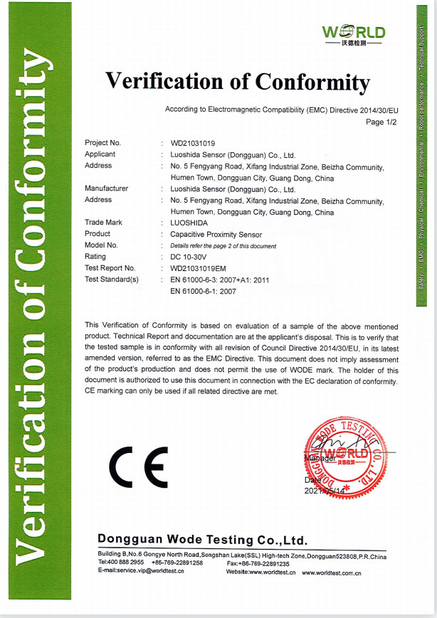
โดยการติดตามการเปลี่ยนแปลงของความจุไฟฟ้า เมื่อวัตถุเข้าใกล้ พวกเซ็นเซอร์เหล่านี้ตรวจจับวัสดุต่างๆ รวมถึงโลหะ พลาสติก และของเหลวระยะการตรวจจับที่กว้างกว่าทําให้มันเหมาะสําหรับการใช้งานอุตสาหกรรมที่หลากหลาย.
คุณสมบัติหลัก:
โดยใช้หลักการของการสะท้อนคลื่นเสียง เครื่องเหล่านี้วัดระยะทางของวัตถุ โดยคํานวณเวลาในการเดินทางของคลื่นฉีดเสียงความสามารถในการตรวจจับวัตถุโปร่งใส ทําให้มันมีค่าไม่แพงสําหรับการใช้งานเฉพาะ.
คุณสมบัติหลัก:
เซ็นเซอร์ที่ใช้แสง (มักเป็นอินฟราเรดหรือเลเซอร์) เหล่านี้ตรวจจับวัตถุผ่านการสะท้อนแสงหรือการหยุดยั้ง. ความสามารถในการตอบสนองอย่างรวดเร็วและระยะยาวของพวกเขาเหมาะกับความต้องการของอัตโนมัติความเร็วสูง.
คุณสมบัติหลัก:
เครื่องตรวจจับที่เชี่ยวชาญสําหรับการตรวจจับวัสดุแม่เหล็ก เครื่องตรวจจับขนาดเล็กเหล่านี้ใช้อิทธิพลของฮอลล์ หรือองค์ประกอบแม่เหล็กต่อต้านเพื่อเฝ้าระวังการเปลี่ยนแปลงสนามความเรียบง่ายของพวกเขาทําให้พวกเขาเป็นที่เหมาะสมสําหรับการใช้งานการตรวจจับตําแหน่ง.
คุณสมบัติหลัก:
จากระบบช่วยจอดรถไปยังโมดูลควบคุมเครื่องยนต์ เซ็นเซอร์ใกล้ชิดเพิ่มความปลอดภัยและผลงานของรถยนต์ผ่านการตรวจจับวัตถุที่แม่นยํา
สายการผลิตอัตโนมัติพึ่งพาการใช้เซ็นเซอร์หลายประเภทในการควบคุมคุณภาพ การนําทางด้วยหุ่นยนต์ และการประกอบการอย่างแม่นยํา
สมาร์ทโฟนใช้การตรวจจับความใกล้ชิดในการบริหารการแสดง ขณะที่ระบบบ้านฉลาดใช้เซ็นเซอร์สําหรับแสงสว่างและความปลอดภัยแบบอัตโนมัติ
การเลือกเซ็นเซอร์ที่เหมาะสมต้องประเมิน
การทําความสะอาดเซ็นเซอร์เป็นประจํา การตรวจสอบการเชื่อมต่อ และการคุ้มครองสิ่งแวดล้อม ให้ความสามารถและอายุยืนที่ดีที่สุด
เทคโนโลยีเซ็นเซอร์ยังคงพัฒนาไปสู่การลดขนาดเล็ก การเชื่อมต่อแบบไร้สาย ความสามารถหลายฟังก์ชัน และความฉลาดที่ฝังไว้ผ่านคุณสมบัติการวินิจฉัยด้วยตนเอง
เมื่ออัตโนมัติขยายตัวไปทั่วอุตสาหกรรม เซ็นเซอร์ความใกล้ชิดยังคงเป็นองค์ประกอบพื้นฐานที่ทําให้เครื่องจักรสามารถปฏิสัมพันธ์กับสภาพแวดล้อมได้อย่างฉลาดการเข้าใจหลักการทํางานและการใช้งานที่หลากหลายของพวกเขาทําให้วิศวกรสามารถนํามาใช้วิธีการตรวจจับที่มีประสิทธิภาพสําหรับระบบอัตโนมัติที่ซับซ้อนมากขึ้น.
ผู้ติดต่อ: Mrs. Anna
โทร: 18925543310


 Thai
Thai


