

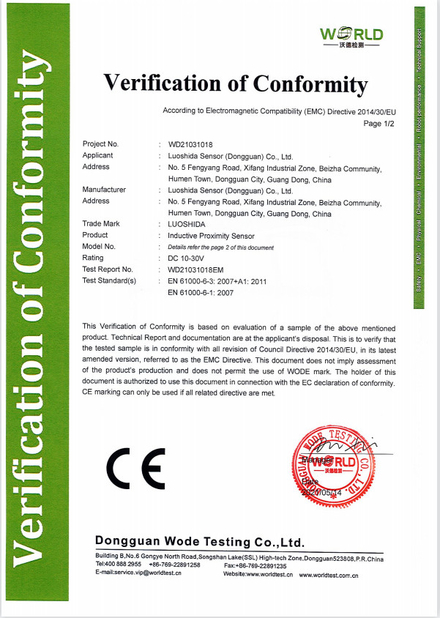
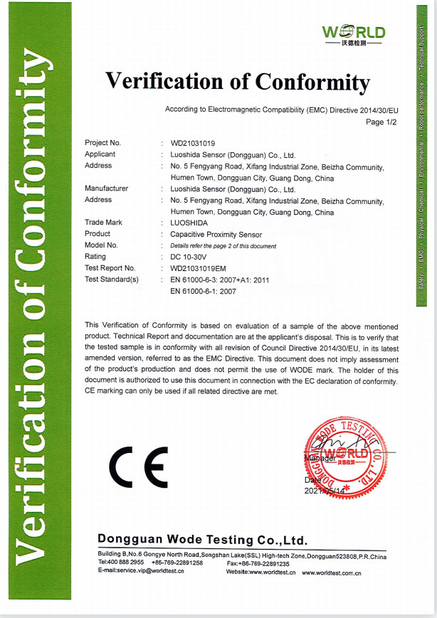

Hãy tưởng tượng một dây chuyền sản xuất tự động nơi các bánh răng tốc độ cao ăn khớp với độ chính xác cao - nơi mà dù chỉ một sai lệch nhỏ nhất cũng có thể gây ra sự cố thảm khốc. Làm thế nào các nhà sản xuất có thể giám sát các thành phần quan trọng này trong thời gian thực để đảm bảo an toàn và ổn định hoạt động? Câu trả lời nằm ở cảm biến tiệm cận cảm ứng, giải pháp của thế giới công nghiệp cho việc phát hiện không tiếp xúc đáng tin cậy.
Cảm biến tiệm cận cảm ứng hoạt động dựa trên nguyên lý cảm ứng điện từ để phát hiện các vật thể kim loại mà không cần tiếp xúc vật lý. Khi một mục tiêu kim loại đi vào từ trường của cảm biến, nó sẽ tạo ra các dòng điện xoáy làm thay đổi đặc tính của từ trường, cho phép cảm biến xác định sự hiện diện và khoảng cách của vật thể. Các cảm biến này chỉ phát hiện vật liệu kim loại trong khi vẫn không bị ảnh hưởng bởi các chất phi kim loại như nước, thủy tinh, giấy hoặc gỗ.
Nổi bật với thời gian phản hồi nhanh, cảm biến cảm ứng vượt trội trong các ứng dụng tốc độ cao như giám sát bánh răng quay hoặc các bộ phận chuyển động nhanh trong hệ thống tự động.
Các thành phần cốt lõi của cảm biến tiệm cận cảm ứng bao gồm:
Ở chế độ chờ, cảm biến duy trì một từ trường ổn định với các thông số dao động nhất quán. Khi kim loại đi vào từ trường này, các dòng điện cảm ứng sẽ làm thay đổi trở kháng của cuộn dây, gây ra những thay đổi có thể đo lường được trong hành vi của bộ dao động. Mạch xử lý diễn giải những thay đổi này thành tín hiệu tương tự (dòng điện/điện áp) hoặc tín hiệu số (BẬT/TẮT).
Một số biến số ảnh hưởng đến khoảng cách phát hiện hiệu quả của cảm biến cảm ứng:
Các nhà sản xuất tiêu chuẩn hóa thông số kỹ thuật bằng cách sử dụng các mục tiêu tham chiếu (thường là các tấm thép vuông có độ dày bằng phạm vi danh định của cảm biến). Khoảng cách phát hiện thực tế giảm theo tỷ lệ khi giám sát các vật thể nhỏ hơn.
Những lợi ích chính của cảm biến tiệm cận cảm ứng bao gồm:
Những hạn chế đáng chú ý:
Việc lựa chọn cảm biến cảm ứng phù hợp đòi hỏi phải xem xét:
Các biến thể chuyên dụng giải quyết các yêu cầu đặc thù:
Các triển khai công nghiệp trải rộng trên nhiều ứng dụng:
Khi tự động hóa tiến bộ, cảm biến tiệm cận cảm ứng tiếp tục chứng tỏ là không thể thiếu để duy trì hiệu quả hoạt động, giảm chi phí sản xuất và đảm bảo an toàn nơi làm việc trên các lĩnh vực công nghiệp.
Người liên hệ: Mrs. Anna
Tel: 18925543310


 Vietnamese


