


In today's rapidly evolving field of electronic system design, sensors play a crucial role as bridges connecting the physical and digital worlds, providing critical data for various applications. From monitoring environmental parameters to controlling industrial processes, sensors are ubiquitous, with their diversity often overwhelming designers. Among the numerous sensor types, position sensors are particularly common, serving as indispensable components in automation, robotics, medical devices, and other fields.
In the realm of non-contact sensors, capacitive and inductive sensors have gained significant popularity due to their unique advantages and wide-ranging applications. These sensors are frequently employed as "switches" to determine the truth value of specific conditions or states, such as detecting whether a target object is in position or whether a liquid level has reached a predetermined height. They operate without direct contact with target objects, avoiding wear and contamination while extending service life and improving reliability.
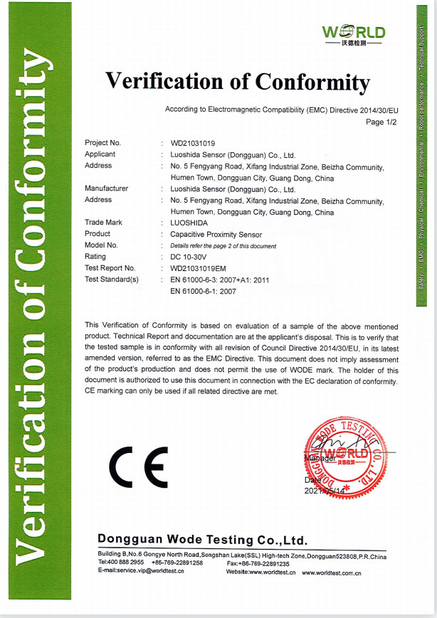
Imagine a highly automated production line where a sensor needs to detect metal components' positions, identify whether plastic packaging is intact, and monitor liquid container levels simultaneously. This scenario highlights the advantages of capacitive sensors. With their low cost, low power consumption, and ability to detect various materials (including plastics, metals, and liquids), capacitive sensors find extensive applications in industrial, consumer electronics, and medical fields.
These sensors operate by detecting changes in the dielectric constant of target objects, eliminating the need for physical contact and thereby preventing wear. Additional benefits include compact size, lightweight construction, and ease of integration, making them ideal for various embedded applications.
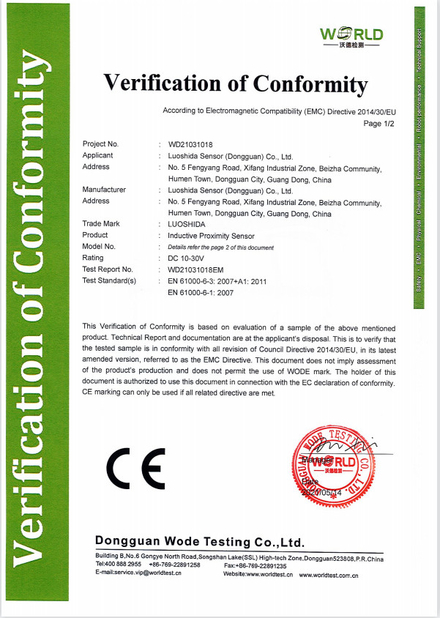
For detecting metal objects in harsh industrial environments—such as locations with high temperatures, humidity, or corrosive substances—inductive sensors prove more reliable. Specifically designed for metal detection, these sensors typically feature robust, durable constructions capable of withstanding extreme conditions.
Operating by detecting magnetic field changes induced by metal objects, inductive sensors offer fast response times and extended lifespans. They are widely used in machine tools, automated equipment, metallurgy, mining, and other fields as essential industrial automation components.
Choosing between capacitive and inductive sensors requires comprehensive consideration of application scenarios, target object characteristics, environmental conditions, and other factors. No single sensor type perfectly suits all applications, necessitating careful evaluation based on specific requirements.
| Sensor Attribute | Capacitive | Inductive |
|---|---|---|
| Non-contact | ✔ | ✔ |
| AC/DC power | ✔ | ✔ |
| Fluid detection | ✔ | |
| Metal detection | ✔ | |
| Fast switching | ✔ | |
| Material analysis | ✔ | |
| Durability | ✔ | |
| Low power | ✔ | |
| Cost-effective | ✔ |
Both capacitive and inductive sensors demonstrate distinct strengths across different applications. The optimal choice depends on specific requirements and design objectives, considering factors like target material, environmental conditions, detection range, response speed, precision needs, cost, power consumption, and size. Additionally, selecting reliable suppliers is crucial for ensuring sensor performance and quality.
Contact Person: Mrs. Anna
Tel: 18925543310


 English


