

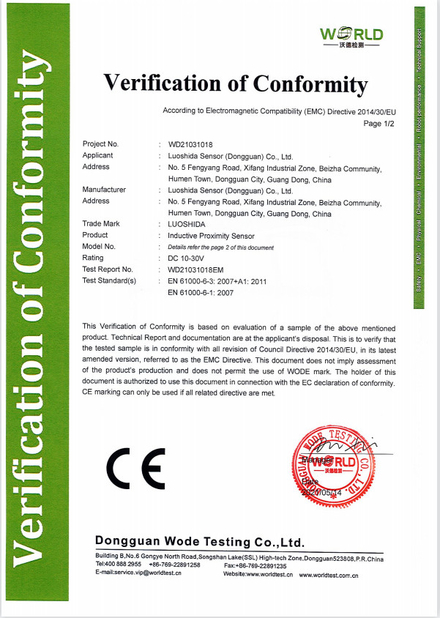
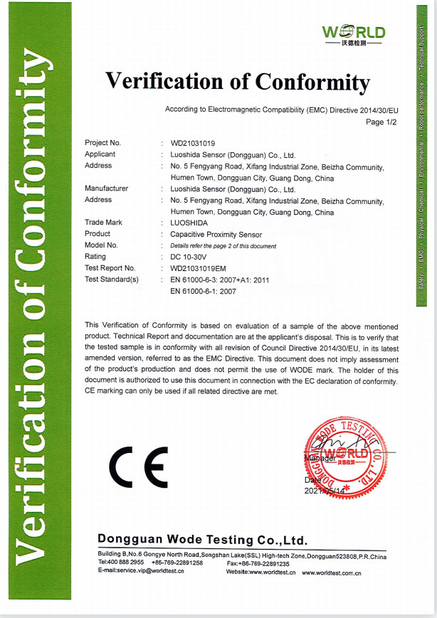

Nel variegato mondo dei sensori per l'automazione industriale, i sensori di prossimità induttivi e capacitivi si distinguono per le loro ampie applicazioni. Sebbene questi due tipi di sensori possano apparire simili a occhi inesperti, le loro differenze fondamentali nel funzionamento e nell'applicazione rendono la corretta selezione cruciale per prestazioni ottimali.
I sensori di prossimità induttivi operano secondo i principi dell'induzione elettromagnetica. Ogni sensore contiene una bobina interna che genera un campo elettromagnetico oscillante ad alta frequenza quando alimentato. Quando un bersaglio metallico entra in questo campo, si formano correnti parassite all'interno del metallo, causando variazioni misurabili nell'ampiezza del campo che attivano il segnale di uscita del sensore.
I sensori capacitivi utilizzano campi elettrostatici anziché elettromagnetici. La piastra del condensatore interna del sensore genera un campo elettrostatico che cambia quando qualsiasi materiale (conduttivo o non conduttivo) entra nel suo raggio, alterando la capacità del sistema e attivando il rilevamento.
| Caratteristica | Sensori Induttivi | Sensori Capacitivi |
|---|---|---|
| Principio di Rilevamento | Induzione elettromagnetica | Campo elettrostatico (variazione di capacità) |
| Materiali Bersaglio | Solo metalli | Tutti i materiali (metalli, non metalli, liquidi) |
| Tolleranza Ambientale | Alta (resistente ai contaminanti) | Bassa (sensibile alle condizioni superficiali) |
| Regolazione Sensibilità | Tipicamente fissa | Spesso regolabile |
| Fascia di Prezzo | Generalmente inferiore | Generalmente superiore |
Nonostante le differenze funzionali, entrambi i tipi di sensori condividono architetture interne simili:
I sensori di prossimità induttivi e capacitivi svolgono ruoli distinti nell'automazione industriale. I sensori induttivi eccellono nel rilevamento di metalli in ambienti difficili, mentre i sensori capacitivi offrono una versatilità di materiali e una flessibilità di misurazione senza pari. Comprendere le loro differenze fondamentali nei principi di rilevamento, compatibilità dei materiali e tolleranza ambientale consente una selezione ottimale del sensore per qualsiasi applicazione. Con l'avanzare della tecnologia di automazione, questi tipi di sensori fondamentali continuano a evolversi per soddisfare esigenze industriali sempre più sofisticate.
Persona di contatto: Mrs. Anna
Telefono: 18925543310


 Italian


